
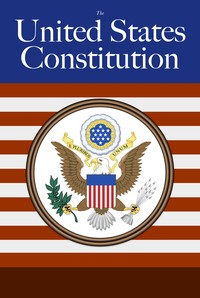
The United States Constitution by United States
Let's be clear: this isn't a novel with a main character. The 'plot' is the creation of a brand new system of government. Picture this: After winning independence, the original American states were struggling under their first constitution, which made the national government basically powerless. So, in 1787, a group of delegates met in Philadelphia. Their mission? Fix the old system. They ended up throwing it out and starting from scratch.
The Story
The story unfolds in the text itself. It's a blueprint. The first part, the Preamble, sets the ambitious goal: to form a 'more perfect Union.' Then, it builds the government in three parts (Congress, the President, the Courts) and explains exactly what each can and cannot do. The real drama comes in the next section: the Bill of Rights. This was added a few years later because many people were terrified this new government would be too powerful. These first ten amendments are a direct response to that fear, listing specific rights—like free speech, fair trials, and protection from unreasonable searches—that the government can never take away. The rest of the amendments continue the story, showing how the nation has argued with and updated its own rules over time, through civil war, expansion of voting rights, and social change.
Why You Should Read It
You should read it because it's the operating manual for the country, and it's written in (mostly) plain English. It cuts through the noise. You get to see the foundational ideas without anyone else's spin. It's fascinating to see what issues they prioritized right up front (hint: property and defense were big) and what was fiercely debated and added later. Reading the Bill of Rights is especially powerful. It’s a defiant list of 'don’t you dare' commands to authority, born from a deep distrust of power. It reminds you that these rights weren't just granted; they were insisted upon.
Final Verdict
Perfect for curious citizens, political news junkies who want to go back to the source, and anyone who likes a good argument about how people should live together. It's not a cover-to-cover bedtime story, but it's essential reading. Think of it less as a book to finish and more as a reference you can visit anytime a modern debate has you asking, 'But what does it actually say?' This is the document that started the conversation, and we're all still living inside its framework.
Legal analysis indicates this work is in the public domain. Distribute this work to help spread literacy.

Joseph White
3 months agoGreat digital experience compared to other versions.