
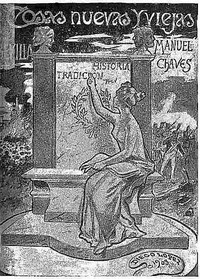
Cosas nuevas y viejas (apuntes sevillanos) by Manuel Chaves Rey
Manuel Chaves Rey's Cosas nuevas y viejas isn't a novel with a traditional plot. Think of it as a series of vivid, personal essays or sketches—'apuntes'—that capture Seville in a moment of profound transition. Written between 1905 and 1907, Chaves Rey acts as our guide, leading us through the city's alleys, plazas, and crumbling buildings.
The Story
The 'story' is the life of the city itself. Chaves Rey documents the 'new things'—the arrival of electric lighting, new broad avenues, and modern businesses—juxtaposed with the 'old things'—ancient convents, traditional festivals, and forgotten legends. He doesn't just list them; he tells us their stories. We learn about the tavern that once hosted famous writers, the palace whose garden is being sold off for development, and the humble street vendor whose cry is a relic of a bygone era. The narrative drive comes from his urgent desire to record these vanishing sights and sounds before they're lost forever. It's a race against the bulldozer and the march of time.
Why You Should Read It
What makes this book special is Chaves Rey's voice. He's not a detached historian; he's a passionate local who loves Seville's quirks and shadows. His writing is full of warmth, wit, and a tangible sadness. You feel his frustration when a beautiful old doorway is replaced by a generic shop front, and his joy when he uncovers a nearly-forgotten story. Reading this is an immersive experience. You don't just learn about Seville's history; you feel its texture, smell its orange blossoms and dust, and hear the echo of footsteps in empty courtyards. It makes you look at your own surroundings differently, wondering what stories are hidden in plain sight.
Final Verdict
This book is perfect for travelers, history lovers, and anyone who believes places have personalities. If you enjoyed the atmospheric walks in Orhan Pamuk's Istanbul or the personal history in Rebecca Solnit's city writings, you'll find a kindred spirit in Chaves Rey. It's also a fantastic read before visiting Seville, as it gives you a layer of understanding no standard guidebook can offer. Fair warning: it's not a fast-paced adventure. It's a slow, thoughtful stroll. But if you're willing to take that walk with a masterful guide, you'll discover a portrait of a city—and a meditation on memory—that stays with you long after the last page.
This book is widely considered to be in the public domain. Preserving history for future generations.
Karen Gonzalez
2 months agoI found the author's tone to be very professional yet accessible, the footnotes provide extra depth for those who want to dig deeper. I’ll definitely be revisiting some of these chapters again soon.
Christopher Martinez
10 months agoAfter finishing this book, the depth of research presented here is truly commendable. I learned so much from this.






George Lee
1 month agoI found the author's tone to be very professional yet accessible, it manages to maintain a consistent flow even when discussing difficult topics. Truly a masterpiece of digital educational material.